
When a Contractor Shows Up Before the Smoke Clears

A fire tears through a kitchen. A pipe bursts and soaks two floors overnight. A storm takes off part of a roof. Within hours, sometimes within minutes, a van pulls up with a contractor who wants to talk business. It happens on Long Island more than most homeowners realize.
That is not a coincidence. In the insurance and restoration industry, it has a name: storm chasing, or road chasing. Understanding what it is, why it happens, and what it means for your claim is worth knowing before you sign anything.
What Road Chasers Actually Do
Road chasers are contractors, or people representing contractors, who monitor emergency dispatch calls, fire department activity, and local news to identify fresh losses. Their goal is to reach the property owner as quickly as possible, before you have time to process what just happened, and get a signed contract.
Sometimes they come as restoration companies offering emergency board-up or water extraction services. Sometimes they arrive claiming to be adjusters or claim specialists. The common thread is the timing: they show up when a homeowner is standing in front of damage they have never had to deal with before, and they are ready with paperwork.
The issue is not the work itself. Often it is necessary and urgent. The issue is what some of those contracts contain: assignment of benefits clauses, adjusting authority bundled with restoration work, and fee structures that can leave the homeowner with less of their own settlement than they expected. On a significant property loss, that difference is not a rounding error. It can be tens of thousands of dollars.
The Conflict of Interest Built into the Model
A licensed public adjuster works for the policyholder. That is the entire job. They document the loss, interpret the policy, prepare the claim, and negotiate with the insurer to reach a settlement that reflects what the policy actually covers.
A contractor who is also handling the insurance claim is in a different position. Their revenue comes from the restoration work. The more that work costs, the more they make. When that same person or company is also the one documenting your loss and negotiating your settlement, there is no independent check on whether your claim reflects your actual damages or whether it is being shaped around what is convenient for the contractor.
An independent public adjuster has no stake in who does the repairs or what they charge. The only number that matters to a true public adjuster is the settlement you receive.
New York Has Rules Around Post-Loss Solicitation
New York already prohibits licensed public adjusters from soliciting clients between 6:00 p.m. and 8:00 a.m. Legislation passed by the State Assembly in March 2026 would extend that to a full 72-hour window after a loss, though it has not yet been signed into law. The reason is simple: the people showing up at a damaged property within hours of a loss are not there because they care about your claim. They are there because they know that is when you are least equipped to evaluate what you are signing. Not every public adjuster operates that way, but enough do that the risk is real.
Thirty Years of Doing It the Other Way
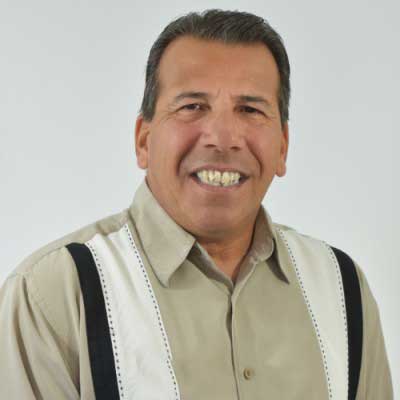
Albert Celeste has been a licensed New York public adjuster for 30 years. He is an Air Force veteran and has built his practice entirely on referrals from Long Island homeowners and businesses who felt, after the process was finished, that someone had genuinely been in their corner.
His approach has always been the same: a free consultation, an honest assessment of the claim, and no pressure to sign anything. If the claim is strong, that becomes clear in the conversation. If there are limitations or complications, Albert says so upfront. The decision to move forward is always the homeowner’s, not something made in the moment under pressure.
That is not a marketing position. It is just how the work should be done. A public adjuster who pressures someone into signing at 11 o’clock at night on the day of a fire is not acting in that person’s interest. A public adjuster who respects the process, documents the loss properly, and negotiates from a position of preparation is.
What to Do If Someone Shows Up Right After a Loss
You are not obligated to sign anything at the scene. If a contractor or adjuster arrives quickly and wants a contract signed immediately, ask for time to review it. Ask specifically whether the agreement includes any adjusting authority or assignment of benefits. Read any contract before signing or have someone you trust read it with you.
Most importantly, remember that you have the right to choose your own public adjuster independently of whoever does the restoration work. Those do not have to be the same person or company, and in most cases, it is better if they are not.
If you have questions about a claim or something you’ve already signed, Albert will review it with you. There is no charge for the initial conversation, and no pressure to decide anything on the spot.
Talk to Albert Before You Commit to Anyone
Albert Celeste is a licensed New York public adjuster based in Farmingdale, serving homeowners and property owners across Nassau and Suffolk County. He works fire, water, storm, and denied or underpaid claims.
Phone: (516) 369-5127
Email: albertcelestelpa@gmail.com
Free consultations. No obligation.


Comments